
Core Advantages and Considerations for Natural Lawn Courtyards
✅ Core Advantages
Natural Aesthetics and Comfortable Touch
Natural lawns feature a vibrant green color, soft texture, and fresh grass fragrance. They harmoniously integrate with courtyard plants, pavings, and architecture, creating a lively and pleasant outdoor leisure space. This authentic, dynamic beauty is something artificial materials cannot replicate.
Excellent Style Adaptability
Lawns serve as a natural backdrop for courtyards, fitting seamlessly into English cottage gardens, Japanese Zen gardens, modern minimalist designs, or rustic countryside styles. By selecting different grass types (e.g., wear-tolerant Bermuda grass, year-round green Kentucky bluegrass) and adjusting mowing heights, lawns can flexibly match the courtyard's design theme, providing a visually unified and comfortable element.
Eco-Friendly and Ecological Value
Natural lawns act as natural air purifiers, effectively absorbing dust, purifying air, and regulating microclimates (cooling in summer, retaining moisture in winter). They also help conserve water, reduce surface runoff, and provide habitats for small creatures like bees and butterflies, making them a core component of a courtyard's ecosystem.
Cost-Effectiveness and Value Appreciation
Compared to high-end stone, wood decking, or artificial turf, the initial investment for sowing high-quality grass seeds or laying sod rolls is relatively moderate. A healthy, lush lawn significantly enhances the courtyard's aesthetics and property value, offering lasting enjoyment.
⚠️ Considerations
Limited Growth Conditions and Durability
Lawn health heavily depends on sufficient sunlight, suitable temperatures, and water. In heavily shaded areas, poor soil, or poor drainage, lawns may develop bare patches, turn yellow, or grow moss. Their lifespan depends on maintenance; improper care can lead to severe degradation within 1–2 years.
High Maintenance Requirements
To keep a lawn beautiful and healthy, regular tasks include mowing (every 1–2 weeks during peak growing season), watering (thoroughly), fertilizing (spring and autumn), weeding, aeration, and overseeding. Neglect can lead to weeds, thinning, or aging, ruining the landscape.
Strength and Stability Depend on Grass Type and Environment
Wear tolerance varies by grass type. Ornamental grasses may not withstand heavy foot traffic, while sports turf grasses (e.g., tall fescue, Bermuda grass) are much tougher. In areas with frequent child play, pets, or parties, lawns may show wear, bare spots, or soil compaction.
Vulnerability to Environmental Factors
In arid regions, frequent watering may be limited by water resources. In rainy, humid areas, fungal diseases (e.g., brown patch) are common. In cold winters, some grasses go dormant and turn brown. Pet urine and prolonged leaf cover can also kill patches of lawn, increasing management difficulty and cost.
For more lawn styles and case studies, please click the link: 👉https://www.lyxdecoration.com/English/html/4698133738.html
Don't rush your decision—see our completed projects firsthand. Results speak for themselves.
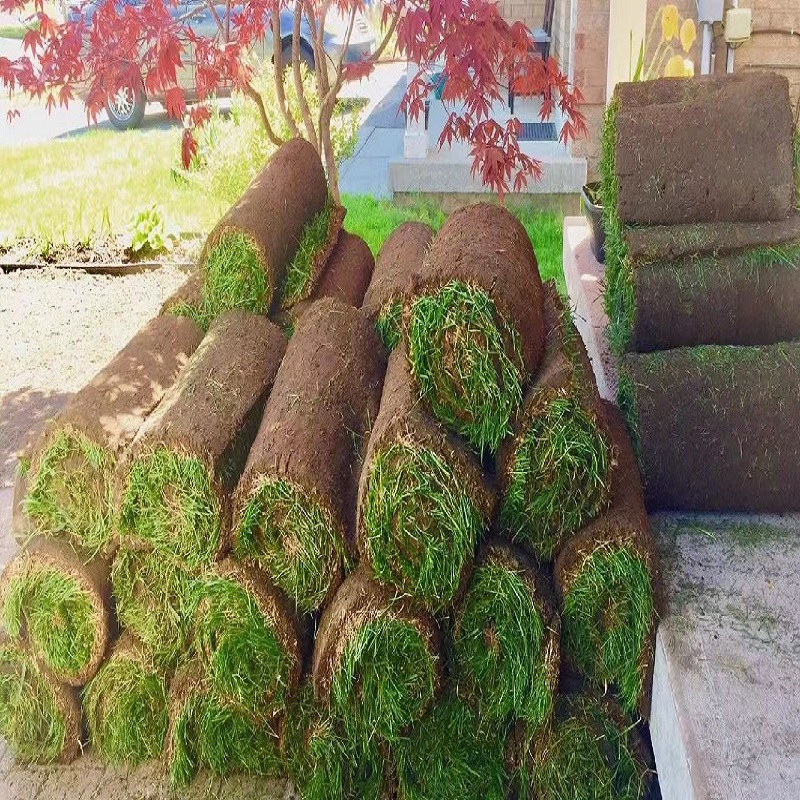
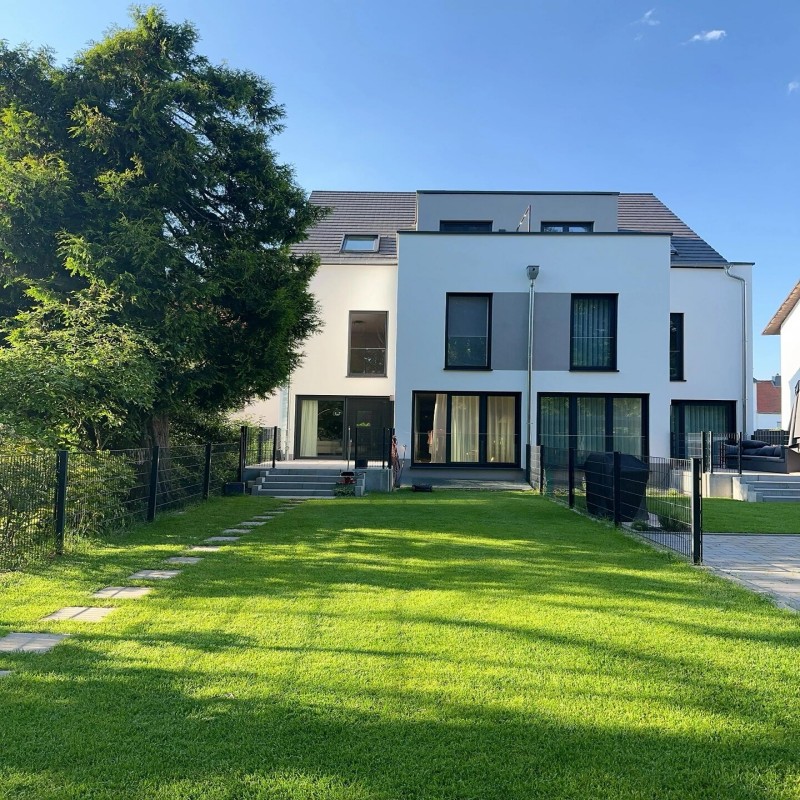
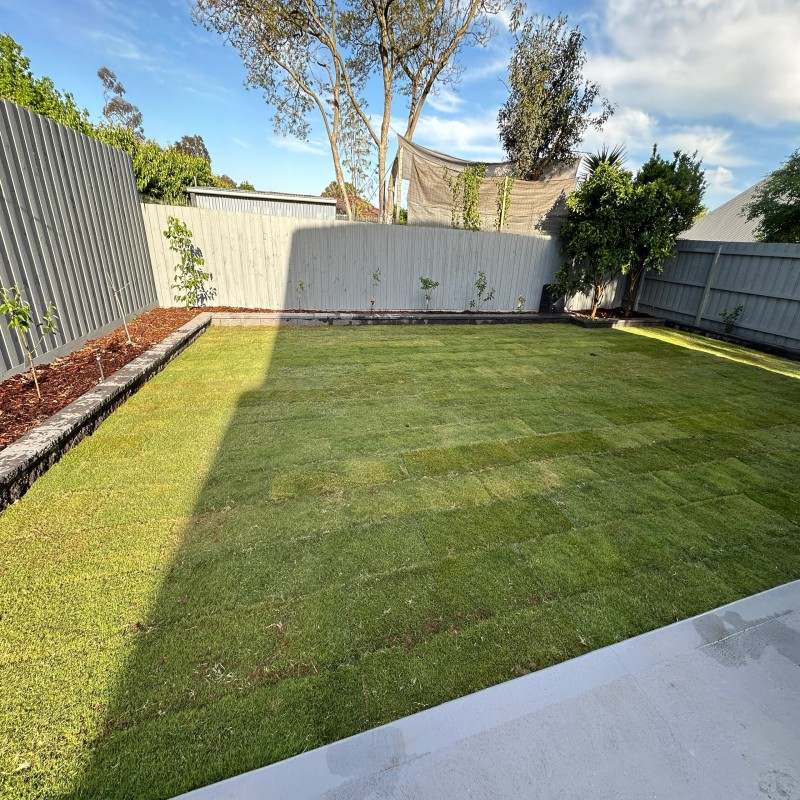
For more real lawn case studies, please click: 👉 https://www.lyxdecoration.com/html/3814072045.html
II. Construction Steps
Professional Team · Standardized Construction · Robust Root System · Flat Surface
Site Survey and Planning
Measure courtyard area, analyze light conditions (full sun/partial shade/shade), soil type (sandy/clay/loam), drainage slope, and existing vegetation. Determine lawn function (ornamental/activity/child-pet play).
Bed Preparation
Remove debris and weed roots. Deep till (approx. 20–30 cm), amend soil (add humus or peat), apply base fertilizer. Level and lightly compact to design slope (typically 0.3%–0.5%) to ensure drainage and a firm, non-ponding surface.
Sodding or Seeding
Sodding: Lay pre-grown healthy turf tightly in staggered rows, roll to ensure soil contact, water thoroughly immediately.
Seeding: Broadcast seeds evenly, cover with thin soil or non-woven fabric for moisture. Keep soil moist until germination.
(Select optimal method based on client needs and season.)
Initial Maintenance
Water consistently (keep surface moist for first two weeks). Avoid foot traffic during establishment. First mow when grass reaches 8–10 cm (remove 1/3 of height).
Acceptance and Delivery
Check for flat surface, no bare patches, no significant color differences, tight seams. Demonstrate basic maintenance (watering, mowing height, fertilization schedule). Clean site and deliver for use.
All construction strictly follows Code for Construction and Acceptance of Landscape Engineering and relevant safety standards.
III. Service Process
From Consultation to After-Sales · Fully Transparent · Butler-Style Follow-Up
Consultation & Appointment
Initial communication via online/phone to understand courtyard area, light, soil, lawn function needs (ornamental/activity), and budget preferences.
Schedule Free On-Site Survey
📞 Consultation Hotline: 0403735868
📏 Free Survey Appointment: 0404587776
Plan Confirmation
Designer measures on-site, analyzes light and soil. Provide grass seed/sod samples. Issue lawn construction drawings and maintenance plan. Sign contract and quote.
Material Preparation & Delivery
Procure and stock soil amendments, grass seeds or sod. Schedule delivery. Inspect materials upon arrival.
Professional Construction
Standardized crew works according to drawings, with supervision inspections. Phased acceptance (bed preparation → soil amendment → sodding/seeding → initial maintenance).
Delivery & Acceptance
Joint client acceptance (check flatness, turf survival rate, minimal weeds). Explain daily maintenance (watering timing, mowing height, fertilizing/pest control). Pay final balance. Take completion photos/videos.
After-Sales Maintenance
3-month construction warranty · Lifetime maintenance consultation
(Excludes issues caused by extreme weather, excessive foot traffic, pet damage, improper pest/disease control, etc.)
✅ Core Advantages
Natural Aesthetics and Comfortable Touch
Natural lawns feature a vibrant green color, soft texture, and fresh grass fragrance. They harmoniously integrate with courtyard plants, pavings, and architecture, creating a lively and pleasant outdoor leisure space. This authentic, dynamic beauty is something artificial materials cannot replicate.
Excellent Style Adaptability
Lawns serve as a natural backdrop for courtyards, fitting seamlessly into English cottage gardens, Japanese Zen gardens, modern minimalist designs, or rustic countryside styles. By selecting different grass types (e.g., wear-tolerant Bermuda grass, year-round green Kentucky bluegrass) and adjusting mowing heights, lawns can flexibly match the courtyard's design theme, providing a visually unified and comfortable element.
Eco-Friendly and Ecological Value
Natural lawns act as natural air purifiers, effectively absorbing dust, purifying air, and regulating microclimates (cooling in summer, retaining moisture in winter). They also help conserve water, reduce surface runoff, and provide habitats for small creatures like bees and butterflies, making them a core component of a courtyard's ecosystem.
Cost-Effectiveness and Value Appreciation
Compared to high-end stone, wood decking, or artificial turf, the initial investment for sowing high-quality grass seeds or laying sod rolls is relatively moderate. A healthy, lush lawn significantly enhances the courtyard's aesthetics and property value, offering lasting enjoyment.
⚠️ Considerations
Limited Growth Conditions and Durability
Lawn health heavily depends on sufficient sunlight, suitable temperatures, and water. In heavily shaded areas, poor soil, or poor drainage, lawns may develop bare patches, turn yellow, or grow moss. Their lifespan depends on maintenance; improper care can lead to severe degradation within 1–2 years.
High Maintenance Requirements
To keep a lawn beautiful and healthy, regular tasks include mowing (every 1–2 weeks during peak growing season), watering (thoroughly), fertilizing (spring and autumn), weeding, aeration, and overseeding. Neglect can lead to weeds, thinning, or aging, ruining the landscape.
Strength and Stability Depend on Grass Type and Environment
Wear tolerance varies by grass type. Ornamental grasses may not withstand heavy foot traffic, while sports turf grasses (e.g., tall fescue, Bermuda grass) are much tougher. In areas with frequent child play, pets, or parties, lawns may show wear, bare spots, or soil compaction.
Vulnerability to Environmental Factors
In arid regions, frequent watering may be limited by water resources. In rainy, humid areas, fungal diseases (e.g., brown patch) are common. In cold winters, some grasses go dormant and turn brown. Pet urine and prolonged leaf cover can also kill patches of lawn, increasing management difficulty and cost.
For more lawn styles and case studies, please click the link: 👉https://www.lyxdecoration.com/English/html/4698133738.html
Don't rush your decision—see our completed projects firsthand. Results speak for themselves.
For more real lawn case studies, please click: 👉 https://www.lyxdecoration.com/html/3814072045.html
II. Construction Steps
Professional Team · Standardized Construction · Robust Root System · Flat Surface
Site Survey and Planning
Measure courtyard area, analyze light conditions (full sun/partial shade/shade), soil type (sandy/clay/loam), drainage slope, and existing vegetation. Determine lawn function (ornamental/activity/child-pet play).
Bed Preparation
Remove debris and weed roots. Deep till (approx. 20–30 cm), amend soil (add humus or peat), apply base fertilizer. Level and lightly compact to design slope (typically 0.3%–0.5%) to ensure drainage and a firm, non-ponding surface.
Sodding or Seeding
Sodding: Lay pre-grown healthy turf tightly in staggered rows, roll to ensure soil contact, water thoroughly immediately.
Seeding: Broadcast seeds evenly, cover with thin soil or non-woven fabric for moisture. Keep soil moist until germination.
(Select optimal method based on client needs and season.)
Initial Maintenance
Water consistently (keep surface moist for first two weeks). Avoid foot traffic during establishment. First mow when grass reaches 8–10 cm (remove 1/3 of height).
Acceptance and Delivery
Check for flat surface, no bare patches, no significant color differences, tight seams. Demonstrate basic maintenance (watering, mowing height, fertilization schedule). Clean site and deliver for use.
All construction strictly follows Code for Construction and Acceptance of Landscape Engineering and relevant safety standards.
III. Service Process
From Consultation to After-Sales · Fully Transparent · Butler-Style Follow-Up
Consultation & Appointment
Initial communication via online/phone to understand courtyard area, light, soil, lawn function needs (ornamental/activity), and budget preferences.
Schedule Free On-Site Survey
📞 Consultation Hotline: 0403735868
📏 Free Survey Appointment: 0404587776
Plan Confirmation
Designer measures on-site, analyzes light and soil. Provide grass seed/sod samples. Issue lawn construction drawings and maintenance plan. Sign contract and quote.
Material Preparation & Delivery
Procure and stock soil amendments, grass seeds or sod. Schedule delivery. Inspect materials upon arrival.
Professional Construction
Standardized crew works according to drawings, with supervision inspections. Phased acceptance (bed preparation → soil amendment → sodding/seeding → initial maintenance).
Delivery & Acceptance
Joint client acceptance (check flatness, turf survival rate, minimal weeds). Explain daily maintenance (watering timing, mowing height, fertilizing/pest control). Pay final balance. Take completion photos/videos.
After-Sales Maintenance
3-month construction warranty · Lifetime maintenance consultation
(Excludes issues caused by extreme weather, excessive foot traffic, pet damage, improper pest/disease control, etc.)

